
Final Audio
Final Audio DX6000
Quantity:
Pickup available at Sound Kitchen
Usually ready in 1 hour
Final Audio DX6000
Sound Kitchen
Pickup available, usually ready in 1 hour
Samuel Soesmanstraat 52
3015 GL Rotterdam
Netherlands
Open daily, 10:00 - 18:00
Ships same day if ordered before 14:00 :
NL: 1-2 business days, rest of EU: 2–4 days WHEN IN STOCK
Choose options
Quantity:
Ships same day if ordered before 14:00 :
NL: 1-2 business days, rest of EU: 2–4 days WHEN IN STOCK
Quantity:
Ships same day if ordered before 14:00 :
NL: 1-2 business days, rest of EU: 2–4 days WHEN IN STOCK
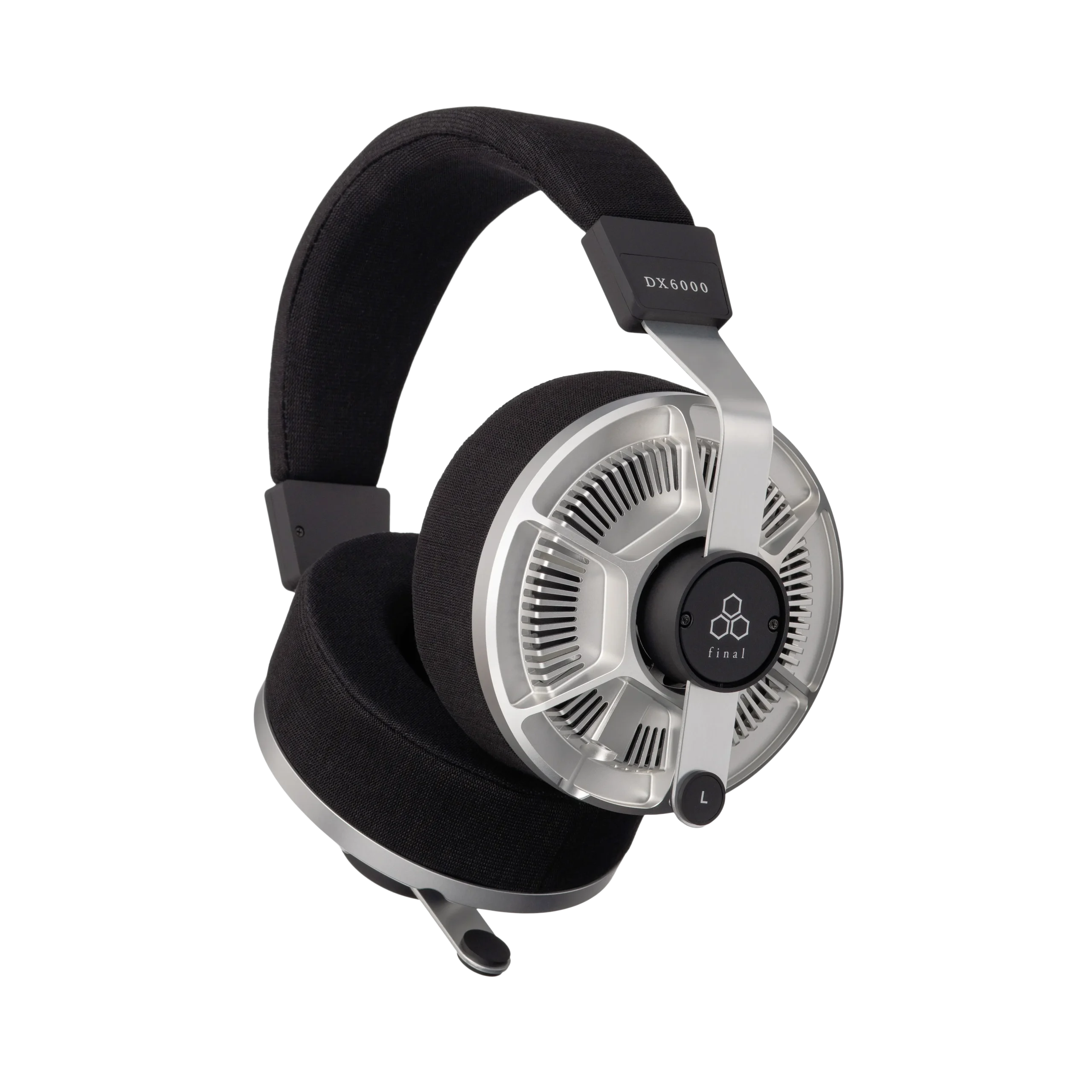
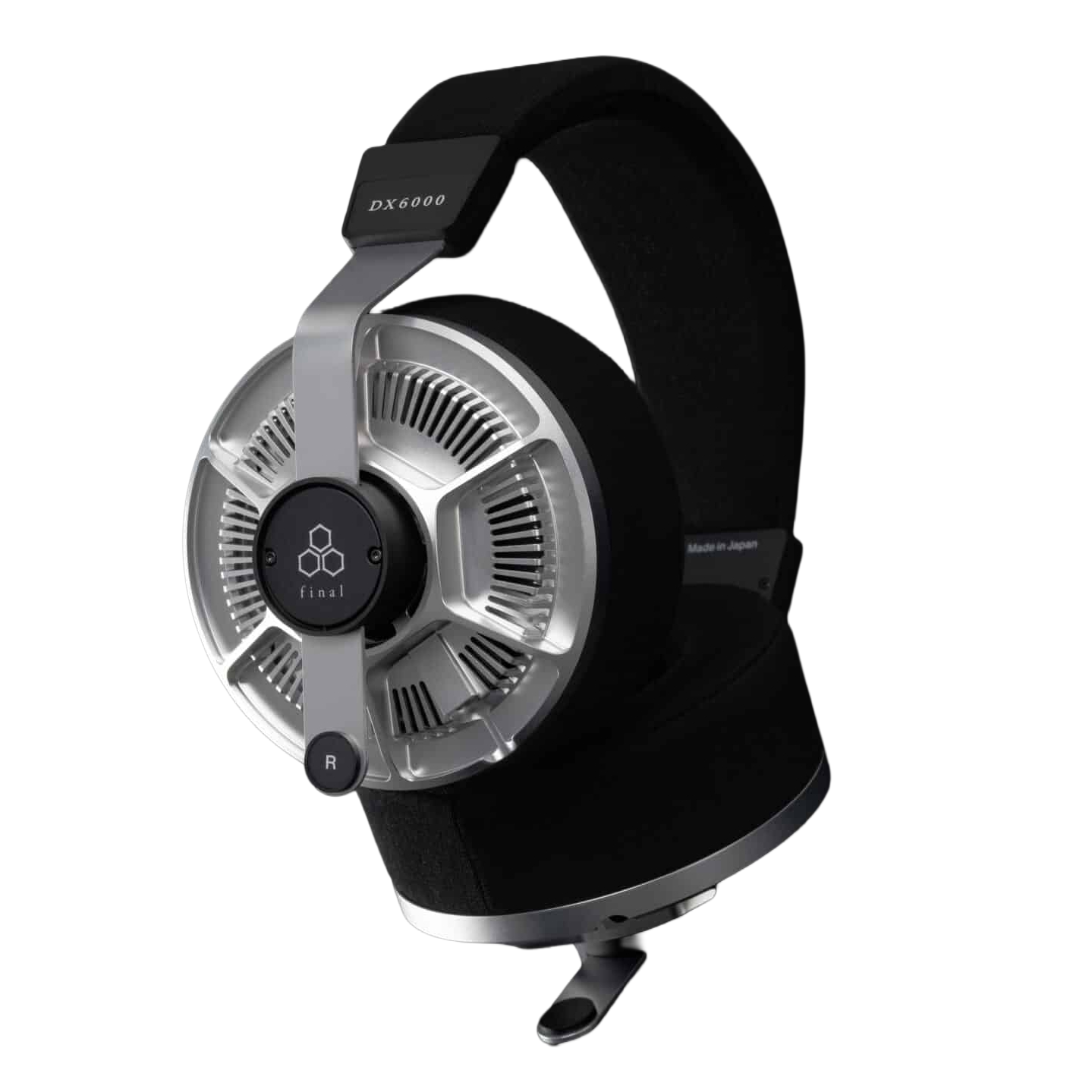
The Final Audio DX6000 is a premium open-back dynamic headphone designed for audiophiles seeking an immersive, speaker-like listening experience. As the inaugural model in Final’s new DX series, it introduces a distinctive “ultra-open” architecture that delivers a hyperrealistic soundstage, surpassing traditional open-back designs.
At its core, the DX6000 features a newly developed large-diameter dynamic driver with an ultra-lightweight magnesium alloy cone and a foamed silicone resin surround. This innovative driver reduces high-frequency sound pressure and minimizes internal resonance, resulting in a natural and warm tonal character. The headphone’s housing is crafted from a durable aluminum-magnesium alloy, ensuring both longevity and acoustic integrity.
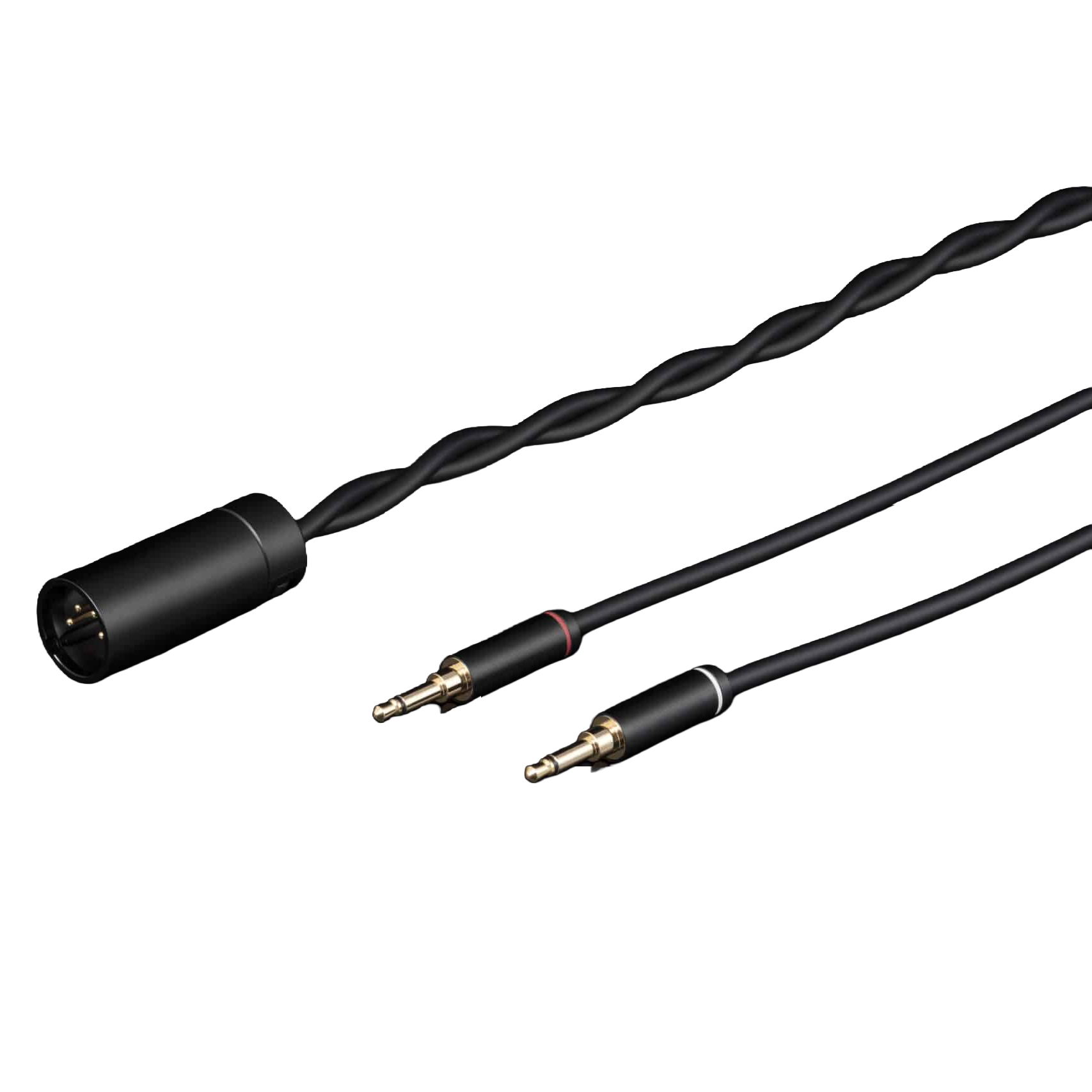
With a sensitivity of 83 dB/mW and an impedance of 47Ω at 1kHz (rising to 480Ω at 20kHz), the DX6000 benefits from pairing with a high-quality amplifier to achieve optimal performance. It comes equipped with a lightweight, three-meter detachable OFC slim cable featuring an XLR connector, and is packaged in an angled protective case for secure transport.
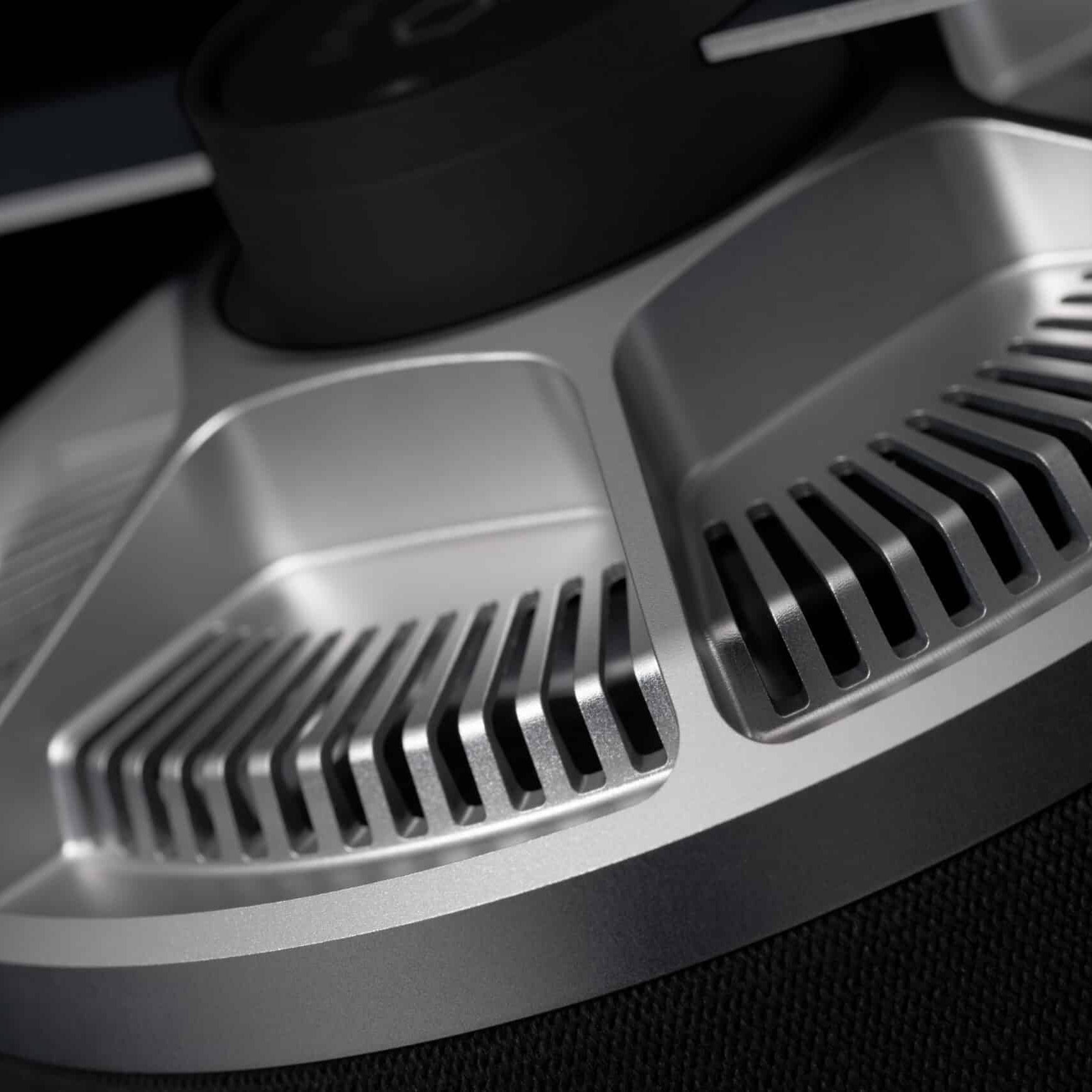
Ultra-open sound field thanks to free-air construction
The DX6000 features a newly developed "free-air construction" that delivers both an open sound field and low frequencies that far exceed those of conventional open-type headphones. The DX6000 delivers a completely new music experience that combines a natural, expansive sound reminiscent of an in-ear speaker with a delicate low frequency range that can even be felt in tonal gradations.

 Development of Innovative Dynamic Driver with Foamed Silicon Edge
The newly designed dynamic driver unit (DU) uses a magnesium alloy with high rigidity and high internal loss as the diaphragm material. This reduces the occurrence of split vibrations and unwanted resonances.
In addition, the development of the edge took several years for the development of this driver unit. General edge materials cannot suppress the generation of resonance in a certain frequency band. In recent years, various shapes of edges have been proposed for speakers to address this problem. We decided to use silicone foam resin to address this problem. We have taken advantage of the extremely light weight of the foamed material to add thickness to the edges. By using a material that is extremely light and soft, but at the same time thick, we solved the contradictory problems of ease of movement and avoidance of unwanted resonance. The edge material and magnesium diaphragm are not bonded together by ordinary adhesives, but are formed as a single piece by pouring silicon foam into a mold with the magnesium diaphragm fixed inside the mold. This method fundamentally solves various problems caused by the adhesive between the diaphragm and the edge, such as individual differences due to differences in the amount of adhesive applied.
Development of Innovative Dynamic Driver with Foamed Silicon Edge
The newly designed dynamic driver unit (DU) uses a magnesium alloy with high rigidity and high internal loss as the diaphragm material. This reduces the occurrence of split vibrations and unwanted resonances.
In addition, the development of the edge took several years for the development of this driver unit. General edge materials cannot suppress the generation of resonance in a certain frequency band. In recent years, various shapes of edges have been proposed for speakers to address this problem. We decided to use silicone foam resin to address this problem. We have taken advantage of the extremely light weight of the foamed material to add thickness to the edges. By using a material that is extremely light and soft, but at the same time thick, we solved the contradictory problems of ease of movement and avoidance of unwanted resonance. The edge material and magnesium diaphragm are not bonded together by ordinary adhesives, but are formed as a single piece by pouring silicon foam into a mold with the magnesium diaphragm fixed inside the mold. This method fundamentally solves various problems caused by the adhesive between the diaphragm and the edge, such as individual differences due to differences in the amount of adhesive applied.
Another major problem that prevents accurate movement of the diaphragm is that the voice coil lead wire is glued to the edge. This is a common method used in many products because it is superior in terms of preventing wire breakage. However, the adhesive is applied to a portion of the lightweight edge, resulting in unbalanced motion of the vibrating system. In order to allow accurate piston motion of the vibrating system, the wires leading from the voice coil to the edge are wired in the air instead of being glued to the edge, so that the movement of the diaphragm is not disturbed. In order to achieve both this method and reliability that prevents disconnection, final's original aluminum alloy wire material is used for the voice coil wire material.
 Transient coil system for accurate response to input signals
・Challenges of free-air construction
The more open the series of vents (behind the driver unit and in the earpads, inside and outside the housing), the more open and natural the sound field will feel, but the lower frequency bandwidth will be However, the low-frequency reproduction bandwidth will be narrowed. To solve this problem, the f0, or lowest resonance frequency of the driver unit must be lowered significantly. However, open-type headphones generally have a high impedance, which means that the sound pressure in the high frequency range is reduced by increasing the number of voice coil windings, making the voice coil heavier, and increasing the L-minimum of the coil. If soft materials are used for the edges to lower the f0, accurate piston motion will be disturbed.
Development of the transient coil system
To solve these conflicting elements, we developed the "transient coil system" in which a coil is inserted in series with the driver unit. This system reduces sound pressure in the high frequency range while keeping the vibration system (diaphragm + edge + voice coil) lightweight, and by using a flexible and easy-to-move material for the edge, a low f0, or lowest resonance frequency, is achieved. These technologies are mutually balanced to achieve both an open sound field and a necessary and sufficient bass sound, while at the same time achieving a sharp rise and fall (transient) of sound due to the lightweight vibration system.
*The "transient coil system" has a rated impedance of 47Ω@1kHz, but the impedance rises to 480Ω at 20kHz, so this product is not for portable equipment, but a stationary amplifier with sufficient power performance, such as support for high-impedance Therefore, we recommend the use of a stationary amplifier with sufficient power performance, such as one that can handle high impedance.
Transient coil system for accurate response to input signals
・Challenges of free-air construction
The more open the series of vents (behind the driver unit and in the earpads, inside and outside the housing), the more open and natural the sound field will feel, but the lower frequency bandwidth will be However, the low-frequency reproduction bandwidth will be narrowed. To solve this problem, the f0, or lowest resonance frequency of the driver unit must be lowered significantly. However, open-type headphones generally have a high impedance, which means that the sound pressure in the high frequency range is reduced by increasing the number of voice coil windings, making the voice coil heavier, and increasing the L-minimum of the coil. If soft materials are used for the edges to lower the f0, accurate piston motion will be disturbed.
Development of the transient coil system
To solve these conflicting elements, we developed the "transient coil system" in which a coil is inserted in series with the driver unit. This system reduces sound pressure in the high frequency range while keeping the vibration system (diaphragm + edge + voice coil) lightweight, and by using a flexible and easy-to-move material for the edge, a low f0, or lowest resonance frequency, is achieved. These technologies are mutually balanced to achieve both an open sound field and a necessary and sufficient bass sound, while at the same time achieving a sharp rise and fall (transient) of sound due to the lightweight vibration system.
*The "transient coil system" has a rated impedance of 47Ω@1kHz, but the impedance rises to 480Ω at 20kHz, so this product is not for portable equipment, but a stationary amplifier with sufficient power performance, such as support for high-impedance Therefore, we recommend the use of a stationary amplifier with sufficient power performance, such as one that can handle high impedance.
Aluminum Magnesium Alloy Machined Enclosure
The enclosure is manufactured by precision machining from a block of aluminum magnesium alloy. This provides strong support for the drivers while at the same time minimizing unwanted resonance and sound distortion.
Open-type earpads made of a special fabric using Japanese paper
Most headphones, whether sealed or open-type, extend the characteristic reproduction frequency to the low frequency range, which the driver unit cannot originally reproduce, by sealing the inside of the earpads to some extent. However, in order to express the natural, expansive, high quality low frequency range of the sound source, the driver unit itself must be capable of reproducing low frequencies, and a low-sealing, breathable earpad must be used. However, most common dynamic types lack low-frequency response with low-sealing earpads.
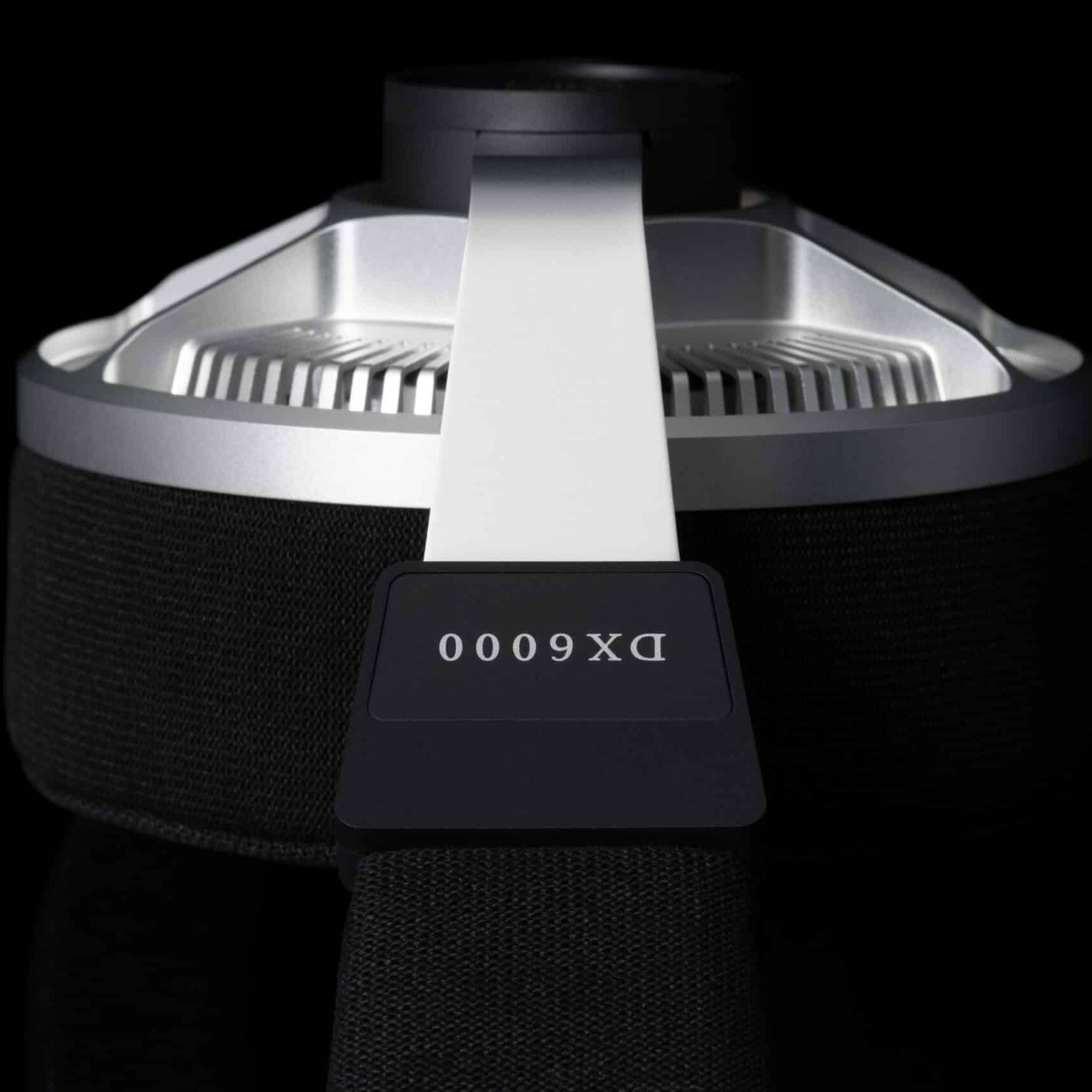
This product has achieved an extremely low lowest resonant frequency (f0), which means that the ability of the driver unit alone is sufficient to reproduce low frequencies even with low-sealing earpads. The earpads, which have a significant impact on the sound quality, were developed in-house using a special fabric made of Japanese paper, which has both a dry feel and durability, as the surface material, and foam with excellent air permeability. The headband is also made of the same material to provide high durability against moisture.
*We will replace the earpads because they are fixed to the driver unit with special screws. If you replace the earpads by yourself, it is not covered by the product warranty.
Please apply for earpads replacement from SUPPORT (Application for Repair). Please specify in the reference column that you wish to have the earpads replaced.
Newly developed "OFC Slim Cable"
Newly developed lightweight OFC slim cable exclusively for the DX series. This product includes XLR/3m.
Comes with a compact, easy-to-carry semi-hard case
Product is housed in a compact, easy-to-carry semi-hard case.
Development of Innovative Dynamic Driver with Foamed Silicon Edge
The newly designed dynamic driver unit (DU) uses a magnesium alloy with high rigidity and high internal loss as the diaphragm material. This reduces the occurrence of split vibrations and unwanted resonances.
In addition, the development of the edge took several years for the development of this driver unit. General edge materials cannot suppress the generation of resonance in a certain frequency band. In recent years, various shapes of edges have been proposed for speakers to address this problem. We decided to use silicone foam resin to address this problem. We have taken advantage of the extremely light weight of the foamed material to add thickness to the edges. By using a material that is extremely light and soft, but at the same time thick, we solved the contradictory problems of ease of movement and avoidance of unwanted resonance. The edge material and magnesium diaphragm are not bonded together by ordinary adhesives, but are formed as a single piece by pouring silicon foam into a mold with the magnesium diaphragm fixed inside the mold. This method fundamentally solves various problems caused by the adhesive between the diaphragm and the edge, such as individual differences due to differences in the amount of adhesive applied.
 Transient coil system for accurate response to input signals
・Challenges of free-air construction
The more open the series of vents (behind the driver unit and in the earpads, inside and outside the housing), the more open and natural the sound field will feel, but the lower frequency bandwidth will be However, the low-frequency reproduction bandwidth will be narrowed. To solve this problem, the f0, or lowest resonance frequency of the driver unit must be lowered significantly. However, open-type headphones generally have a high impedance, which means that the sound pressure in the high frequency range is reduced by increasing the number of voice coil windings, making the voice coil heavier, and increasing the L-minimum of the coil. If soft materials are used for the edges to lower the f0, accurate piston motion will be disturbed.
Development of the transient coil system
To solve these conflicting elements, we developed the "transient coil system" in which a coil is inserted in series with the driver unit. This system reduces sound pressure in the high frequency range while keeping the vibration system (diaphragm + edge + voice coil) lightweight, and by using a flexible and easy-to-move material for the edge, a low f0, or lowest resonance frequency, is achieved. These technologies are mutually balanced to achieve both an open sound field and a necessary and sufficient bass sound, while at the same time achieving a sharp rise and fall (transient) of sound due to the lightweight vibration system.
*The "transient coil system" has a rated impedance of 47Ω@1kHz, but the impedance rises to 480Ω at 20kHz, so this product is not for portable equipment, but a stationary amplifier with sufficient power performance, such as support for high-impedance Therefore, we recommend the use of a stationary amplifier with sufficient power performance, such as one that can handle high impedance.
Transient coil system for accurate response to input signals
・Challenges of free-air construction
The more open the series of vents (behind the driver unit and in the earpads, inside and outside the housing), the more open and natural the sound field will feel, but the lower frequency bandwidth will be However, the low-frequency reproduction bandwidth will be narrowed. To solve this problem, the f0, or lowest resonance frequency of the driver unit must be lowered significantly. However, open-type headphones generally have a high impedance, which means that the sound pressure in the high frequency range is reduced by increasing the number of voice coil windings, making the voice coil heavier, and increasing the L-minimum of the coil. If soft materials are used for the edges to lower the f0, accurate piston motion will be disturbed.
Development of the transient coil system
To solve these conflicting elements, we developed the "transient coil system" in which a coil is inserted in series with the driver unit. This system reduces sound pressure in the high frequency range while keeping the vibration system (diaphragm + edge + voice coil) lightweight, and by using a flexible and easy-to-move material for the edge, a low f0, or lowest resonance frequency, is achieved. These technologies are mutually balanced to achieve both an open sound field and a necessary and sufficient bass sound, while at the same time achieving a sharp rise and fall (transient) of sound due to the lightweight vibration system.
*The "transient coil system" has a rated impedance of 47Ω@1kHz, but the impedance rises to 480Ω at 20kHz, so this product is not for portable equipment, but a stationary amplifier with sufficient power performance, such as support for high-impedance Therefore, we recommend the use of a stationary amplifier with sufficient power performance, such as one that can handle high impedance.


